
 By:
test order
By:
test order 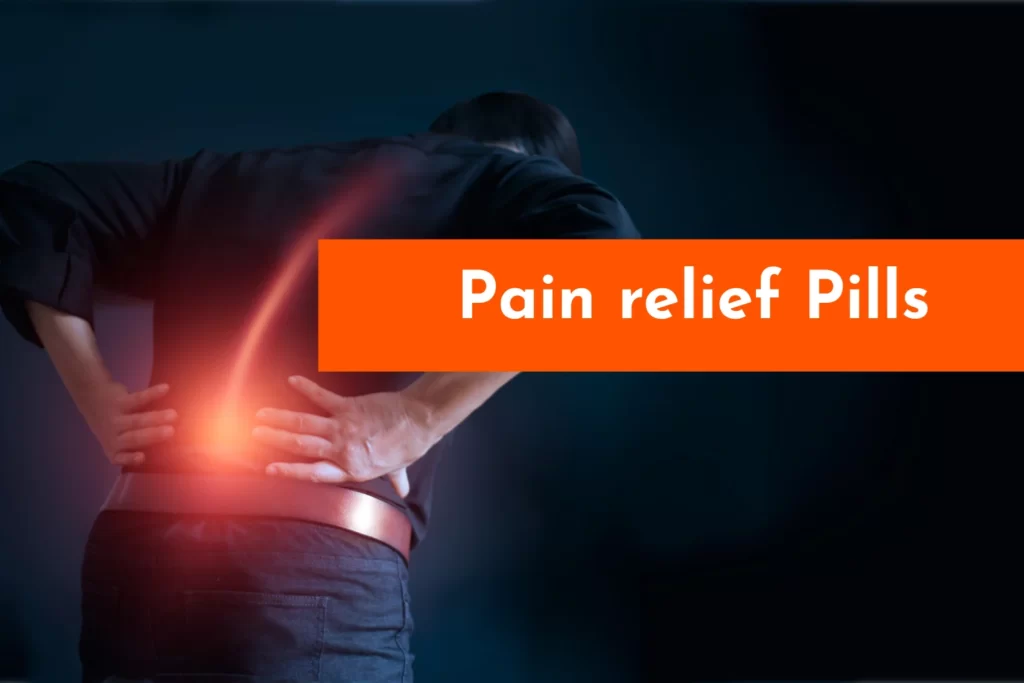
Tramadol is a prescription pain medication used to treat moderate to moderately severe pain caused by injuries, surgery, or chronic conditions such as arthritis and back pain. It belongs to a class of drugs known as opioid analgesics and works by altering how the brain and nervous system perceive pain.
Unlike stronger opioids, Tramadol provides effective relief with a comparatively balanced safety profile when used correctly under medical supervision. It helps reduce discomfort, allowing individuals to carry out daily activities more comfortably.
How Tramadol Works
Tramadol has a dual mechanism of action, making it unique among pain medications:
- Binds to opioid receptors in the brain to block pain signals
- Inhibits the reuptake of norepinephrine and serotonin
- Enhances pain relief while also supporting mood balance in some cases
- Reduces the overall perception of pain without treating the root cause
Common Uses of Tramadol
- Post-surgical pain relief
- Chronic pain conditions (arthritis, back pain)
- Injury-related pain
- Pain not controlled by OTC medicines like Ibuprofen or Paracetamol
Types of Tramadol Available
- Immediate-Release Tablets:
Used for quick relief from acute pain - Extended-Release Formulations:
Designed for long-term management of chronic pain
Benefits of Tramadol
- Effective relief from moderate to severe pain
- Dual action improves overall pain control
- May help improve mood in some patients
- Useful when other painkillers are not effective
- Available in multiple formulations for flexibility
Possible Side Effects
While Tramadol is effective, it may cause some side effects:
- Drowsiness or sleepiness
- Nausea and vomiting
- Dizziness or lightheadedness
- Constipation
- Headache
Rare but serious side effects:
- Seizures (in high doses or sensitive individuals)
- Serotonin syndrome (when combined with certain drugs)
Safety Tips & Precautions
- Use only under a doctor’s prescription
- Avoid alcohol and sedatives while taking Tramadol
- Do not exceed the recommended dosage
- Avoid long-term misuse to prevent dependence
- Inform your doctor about other medications you are taking
Risk of Dependence
Like other opioid medications, Tramadol carries a risk of:
- Physical dependence
- Withdrawal symptoms if stopped suddenly
- Potential misuse or overdose
Proper medical supervision helps minimize these risks.
Who Should Use Tramadol?
- Patients with moderate to severe pain
- Individuals not responding to standard pain relievers
- People needing short-term or controlled long-term pain management


What I especially appreciate how this piece encourages readers to approach residence upkeep with confidence. The down-to-earth tips are straightforward to understand and follow. I’ve found that combining such guidance with some living space improvement tips I came across earlier has helped me stay on top of repairs without feeling overwhelmed. Posts like this make a real difference. It feels encouraging to know that even without special training, one can gradually build the skills needed to keep a home in better shape.
This material is a great reminder that tackling small household issues early can save a lot of trouble later on. The tips is hands-on and beginner-friendly to follow, which is what many people need. I not long ago found some simple living space repair ideas that worked well alongside these guidelines, helping me maintain my space efficiently without hiring professionals.
https://shorturl.fm/6WwjZ
https://shorturl.fm/bkEYJ
I appreciate articles that make home maintenance accessible to everyone. This post breaks down complex tasks into simple steps that are easy to follow. Pairing it with some easy repair ideas I discovered made my recent projects less daunting and more rewarding.
Thanks for sharing such practical information. Many avoid home repairs due to lack of confidence, but this post encourages trying simple fixes. I recently found some basic home care ideas that complemented this article and helped me stay on top of maintenance.
https://shorturl.fm/vA4Eq
https://shorturl.fm/rxawY
https://shorturl.fm/yNuMc
https://shorturl.fm/2nGMc
https://shorturl.fm/vrJPo
https://shorturl.fm/rKmU1
https://shorturl.fm/8dI5c
https://shorturl.fm/Zh4d2
https://shorturl.fm/UbNjd
https://shorturl.fm/mwDKB
https://shorturl.fm/bN40P
https://shorturl.fm/F77so
https://shorturl.fm/FF2Bj
https://shorturl.fm/Yqz8E
https://shorturl.fm/8DRIw
https://shorturl.fm/8wYqS
https://shorturl.fm/fSvu4
https://shorturl.fm/7HfSX
https://shorturl.fm/Zf69I
https://shorturl.fm/cNLHV
https://shorturl.fm/5Y5a2
https://shorturl.fm/VNGKw
https://shorturl.fm/Yqm89
https://shorturl.fm/DZT98
https://shorturl.fm/bMEcC
https://shorturl.fm/iJN1W
https://shorturl.fm/f6cAZ
https://shorturl.fm/V0R0C
https://shorturl.fm/2Iuu8
https://shorturl.fm/vPhJZ
https://shorturl.fm/s1XFn
https://shorturl.fm/Vn5eL
https://shorturl.fm/5uZLF
https://shorturl.fm/eGNnq
https://shorturl.fm/5PwPQ
Be rewarded for every click—join our affiliate program today! https://shorturl.fm/GqFlH
Share your link, earn rewards—sign up for our affiliate program! https://shorturl.fm/ofBa9
Refer and earn up to 50% commission—join now! https://shorturl.fm/klexW
Join our affiliate program and start earning commissions today—sign up now! https://shorturl.fm/1igaI
Basement waterproofing instructions on rjadom.ru are clear and thorough. Applying their advice helped me eliminate dampness and mold issues effectively.
Promote our products—get paid for every sale you generate! https://shorturl.fm/221q4
Get paid for every click—join our affiliate network now! https://shorturl.fm/xjblH
Sign up now and access top-converting affiliate offers! https://shorturl.fm/FWnyv
i3u3oa
Get started instantly—earn on every referral you make! https://shorturl.fm/5rgDH
Refer friends, earn cash—sign up now! https://shorturl.fm/aONdd
Promote, refer, earn—join our affiliate program now! https://shorturl.fm/KxLqe
Unlock exclusive rewards with every referral—apply to our affiliate program now! https://shorturl.fm/qxT3D